Why Is My Tree’s Trunk Turning Black?
A tree trunk turns black most commonly due to sooty mold caused by insect honeydew, fungal or bacterial diseases, or environmental stress. Sap-feeding insects like aphids and scale produce sticky honeydew that allows black sooty mold to grow on the bark. Fungal infections such as black knot, or bacterial problems like cankers and wetwood, can also darken the trunk and may cause oozing, cracks, or sunken areas. In some cases, physical damage, improper pruning, excess moisture, or drought stress weakens the tree and leads to discoloration. Identifying whether insects, disease, or stress is responsible is essential, since treatment may involve pest control, pruning infected wood, or improving overall tree health. Trees can fall victim to all sorts of infections and…
A tree trunk turns black most commonly due to sooty mold caused by insect honeydew, fungal or bacterial diseases, or environmental stress. Sap-feeding insects like aphids and scale produce sticky honeydew that allows black sooty mold to grow on the bark. Fungal infections such as black knot, or bacterial problems like cankers and wetwood, can also darken the trunk and may cause oozing, cracks, or sunken areas. In some cases, physical damage, improper pruning, excess moisture, or drought stress weakens the tree and leads to discoloration. Identifying whether insects, disease, or stress is responsible is essential, since treatment may involve pest control, pruning infected wood, or improving overall tree health.
Trees can fall victim to all sorts of infections and infestations. A tree trunk can slowly turn black until one day you notice and wonder, “Why is my tree trunk turning black?” There are several causes for a tree trunk turning black.
Common reasons tree trunks turn black include:
-
Sooty mold growing on honeydew from aphids or scale insects
-
Fungal diseases that darken bark or create black growths
-
Bacterial infections that cause black stains or oozing sap
-
Environmental stress from injury, poor drainage, drought, or improper pruning
When you need professional tree service in Wake Forest, including figuring out why your tree trunk turned black, Raleigh Tree Service is available to inspect the tree and determine the cause.
Gloomy Scale Insects
Gloomy scale is an insect infestation that is completely preventable by applying insecticide in the spring while insects are dormant. It commonly appears in the southeastern United States, where the climate is warm and humid. Signs of gloomy scale include a thinning canopy and a lot of branches dying off, in addition to a blackened tree trunk.
If you notice gloomy scale when the infestation is still small, you can use a pressure washer to wash away the insects before they start to affect the tree.
Black Sooty Mold on Tree Trunk
Sooty mold forms on excrement left behind by insects as they eat trees. It occurs all over the United States, most commonly on Elm and Maple trees. The trunk may turn black, as well as the leaves and branches. Insecticides can make the trees an unpleasant place to infest, and they will leave, improving your tree health.
If you have a chronic problem with sooty mold, you may ask yourself, “Why is my tree trunk turning black?” Pressure washing the infected trees once per week will keep insects out and can restore the natural color of your tree.
Bacterial Cankers
This fungal infection is just as nasty as it sounds. It most commonly plagues Northern regions, but it can pop up in other areas. Bacterial cankers form on trees that are already in poor health. Black barnacles form on the tree and blanket the branches and trunk with black ooze.
Because bacterial cankers don’t form on healthy trees, by the time you notice them, you could have a big problem on your hands. The best way to prevent them completely is to schedule regular service with a professional arborist and keep your trees in good health.
If you notice bacterial cankers before they cause too much damage, you can try to save the tree. The best-case scenario is that the cankers formed far enough out for you to cut them off and leave at least eight inches of branch on the tree.
Don’t leave any cankers on your property to spread. Remove them or burn them to make sure the infection is totally eradicated.
Maintaining Tree Health
There are a few things you can do to prevent fungal infections and bacterial growth that lead to tree disease. Pay close attention to your trees. If you notice signs of decay or disease, prune off the affected branches right away to prevent spreading.
Maintain the soil so it is in good condition. In areas with high levels of moisture, fungus can quickly overtake your trees.
Survey the soil around your trees for signs of larvae that could grow into insects that destroy your trees.
When To Schedule Professional Tree Removal
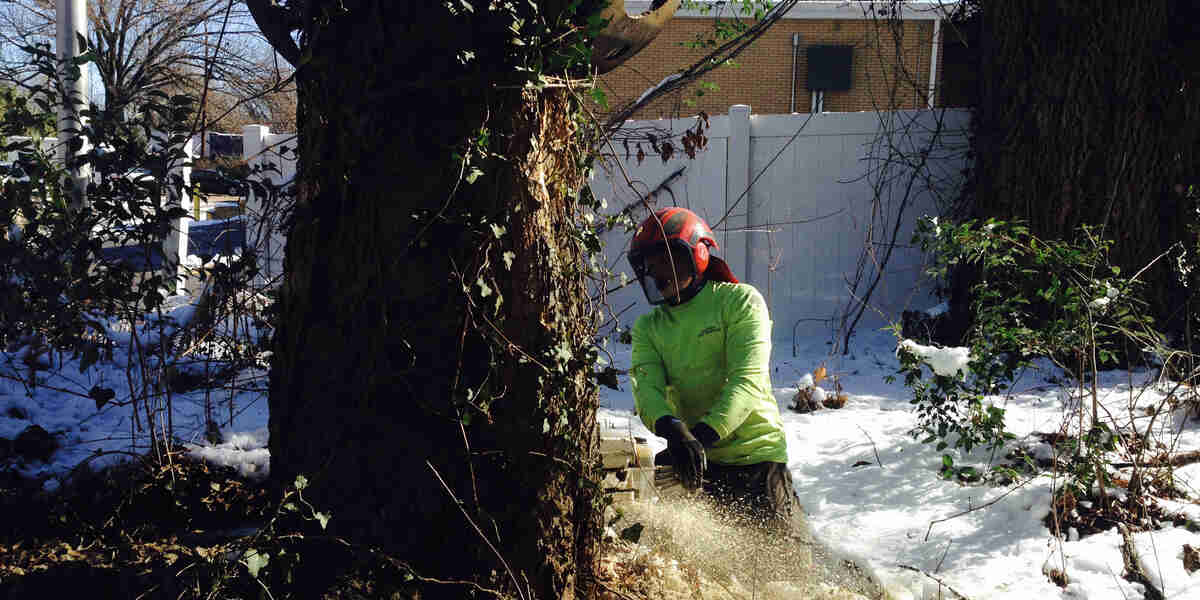
If a diseased tree reaches the point where it cannot survive, the safest option is to call a professional for removal. If a rotting tree falls on your property, it could fall on your home, your car, or a person. Tree disease could spread to other areas of your property. At Raleigh Tree Service in Raleigh, NC, we know how to tell if a tree is dead or dormant, and can help remedy a split tree trunk or answer the question, “Why is my tree trunk turning black?” We also offer tree removal in Zebulon for nearby residents. Call us at 919-889-5783 to schedule tree service, including pruning and removal.